Check the location as a working space
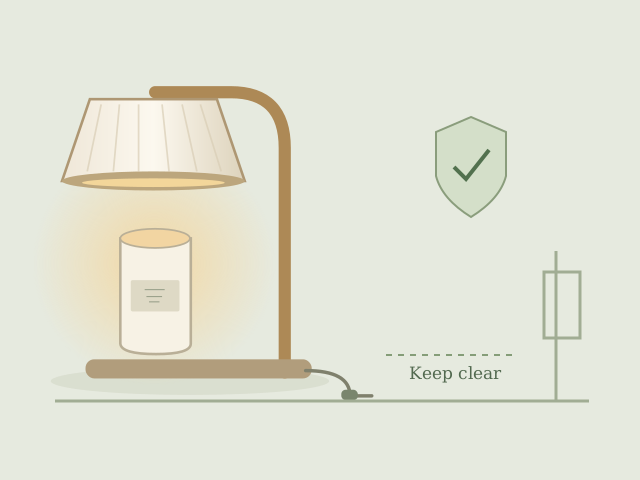
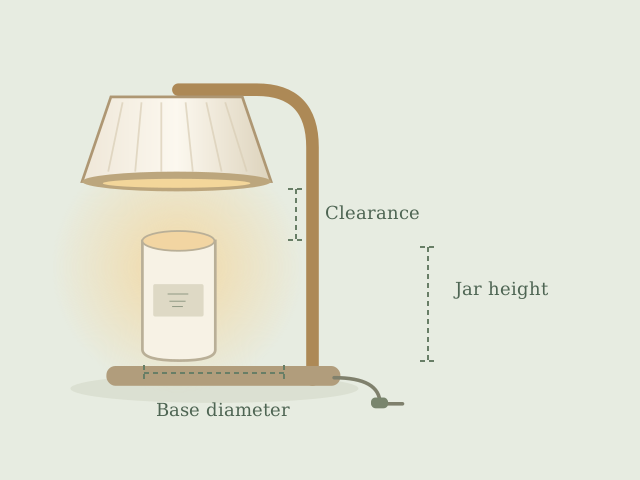
A suitable spot needs a level, stable surface that meets the lamp maker's heat-related requirements. It also needs the specified clearance around and above the appliance. A shelf can look generous in a photo while leaving too little space for the shade or ordinary access.
Look beyond the moment when the room is tidy. Imagine a book being set down, a curtain blowing inward, a bag sliding onto the table or a cabinet door opening. If everyday activity puts objects near the heated area, the location needs to change.
Measure the lamp's entire footprint and record the clear space you can maintain. Include room for the control and cord, not just the candle platform. The size guide covers jar fit; this guide covers the surrounding household space.
Living room: inspect traffic and textiles
A side table may offer easy access while you sit nearby. Check whether its position creates a cord across a walking path or allows a seated person to bump the base. A narrow table between upholstered furniture can leave little practical room for a heated appliance.
Curtains, cushions and blankets are often moved throughout the day. Do not rely on their position when you first set up the lamp. Keep the required clearance throughout operation. A decorative tray does not automatically provide a heat-suitable surface or keep neighboring objects far enough away.
Avoid crowded console displays. Flowers, paper, seasonal decorations and framed items can fall or be pushed into the lamp. Give the appliance its own maintained space rather than fitting it into the last gap in a styled arrangement.
Bedroom: think about the whole nighttime routine
A nightstand often holds charging cables, tissues, books and bedding that can reach over the edge. Check those interactions before treating it as a good lamp location. Someone reaching for a phone in low light should not need to pass a hand across the shade or jar.
Use the warmer only while awake and able to attend to it. Switch it off before sleeping; a timer does not change that recommendation. If a nighttime routine makes turning it off easy to forget, use a different room or choose a regular ambient light instead.
Consider fragrance preference too. A scent you enjoy briefly in the living room may be unwelcome in a sleeping space. Discuss scented products with anyone sharing the room, and discontinue use if the fragrance is bothersome. This is a comfort choice, not a promise about health effects.
Office or reading corner: protect the work area
A desk can be convenient because you remain nearby, but it also collects paper and devices. Keep the lamp away from documents, cables, a moving monitor arm and drinks. Do not let a hot appliance become part of a cluttered charging station.
Look at your ordinary hand movements. Reaching for a file or pushing a keyboard back should not bring your arm into the lamp. Leave enough space to operate the switch without leaning over the candle. If the desk is small, another table may be the better location.
For shared offices, check whether fragrance and heated appliances are permitted. Personal preference does not override a workplace rule or a coworker's comfort. Do not assume that a flameless product is automatically acceptable.
Kitchen, bathroom and enclosed shelves
Water, splashes, cooking activity and limited clear space can make these locations poor choices. Do not operate a warmer near a sink, shower or other wet area. Follow the exact appliance's indoor-location restrictions and avoid improvising protective coverings.
A cabinet or cubby introduces overhead and side constraints. Unless the manufacturer expressly permits the arrangement and all required clearances can be met, choose an open location. An enclosed spot should not be justified by the fact that the lamp fits when it is switched off.
Do not use an outdoor patio or covered porch unless the model is specifically rated and instructed for that setting. Protection from direct rain does not establish that an indoor appliance is suitable outside.
Plan a cord route before decorating
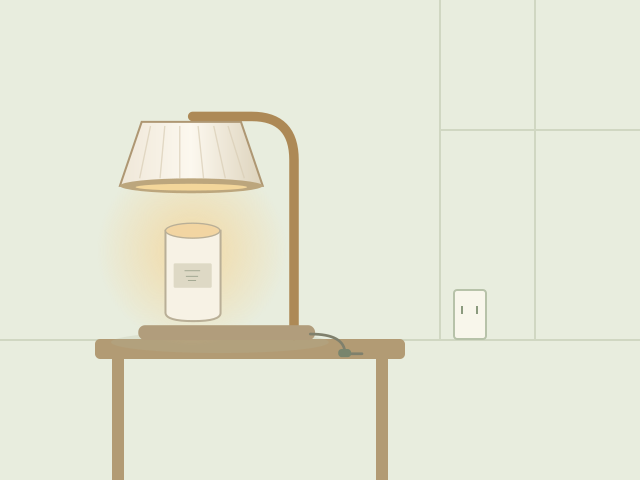
The cable should reach the permitted outlet without becoming stretched, pinched, trapped under furniture or exposed to heat. Avoid a dangling loop that can be pulled by a child or pet. Keep it out of walking paths and away from doors that could close on it.
Follow the manufacturer's instructions for power accessories. An extension cord is not the first solution to a location problem; a different position near an appropriate outlet may be more practical. Do not hide a cable under a rug to make the room look cleaner.
A room-by-room decision table
| Proposed location | Inspect first | A reason to choose another spot |
|---|---|---|
| Bedroom nightstand | Bedding, cables and nighttime reach | Likely unattended or sleeping use |
| Reading desk | Paper, drinks and hand movements | Crowded surface or awkward controls |
| Display shelf | Overhead clearance and falling objects | Enclosed space or unclear heat clearance |
| Shared space | Household preferences and rules | Fragrance or appliances are not permitted |
Children, pets and changing rooms
Evaluate climbing and jumping, not only standing reach. A high shelf may be accessible to a cat, and a loose cord may defeat an otherwise inaccessible tabletop. If the household cannot prevent access, keep the lamp off or use another arrangement.
Reassess after moving furniture, adding holiday decorations or changing curtains. A location that worked last month may no longer stay clear. Repeat the safety routine when you change the candle or setup.
Try the arrangement while everything is cool
With the appliance unplugged, place it where you intend to use it and simulate ordinary movements around it. Confirm jar access, controls, cord routing and all documented clearances. This does not test operating safety, but it can reveal an awkward arrangement before heat is involved.
Choose the room where the lamp can stay clear, accessible and attended. Decoration can follow those conditions; it should not determine them.