Read both sets of instructions first
Keep the lamp manual and the candle label available. The lamp maker sets operating limits, bulb requirements, clearances and cleaning procedures. The candle maker can clarify whether the jar and wax are suitable for warming. Neither a product photograph nor a general guide replaces those instructions.
If information is missing, obtain it before switching the appliance on. Be particularly cautious with decorative containers, previously damaged jars, imported electrical products and used lamps sold without documentation. Uncertainty about a heat-producing device is not a reason to experiment.
Before the first use
Inspect the unplugged lamp for damaged insulation, a bent or loose component, cracked parts and a damaged plug. Inspect the jar too. Do not use a cracked container or an appliance that appears damaged. A lamp should stand evenly and hold the intended candle securely without makeshift support.
Check the electrical rating and the specified bulb. A socket's shape alone does not establish which bulb is permitted. Follow the maker's installation instructions, and do not fit a higher-wattage bulb to increase heat. If a label and listing disagree, contact the manufacturer rather than choosing the more convenient answer.
Do not treat this page as certification of a particular model. If a product claims a safety listing, verify the exact model and certification through the issuing organization or reliable product documentation. A familiar mark in a marketing image is not a complete identity check.
Choose a place that stays clear
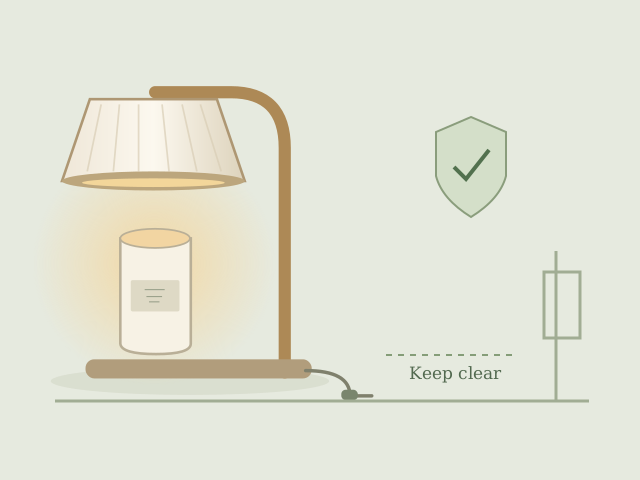
Use the surface and surrounding clearance specified by the lamp maker. A level, stable location must also work during ordinary household activity: someone opening a curtain, reaching for a book or walking past the table should not bring fabric, hands or a bag into the heated area.
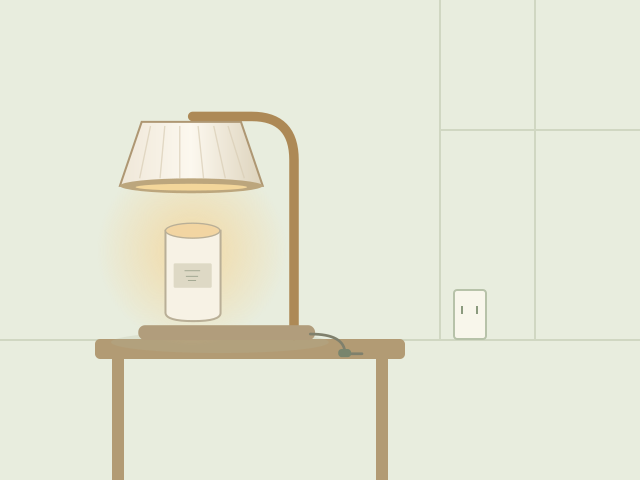
Keep the equipment away from water and splashes. Do not operate it in an enclosed cabinet or cover it. Avoid locating it beneath items that can fall onto the shade or candle. The room placement guide offers a practical way to inspect common locations.
Route the cord so that it does not dangle where it can be pulled or cross a walking path. Do not pinch it under furniture or run it where it will be exposed to heat. Follow the maker's rules for outlets, extension cords and power strips rather than assuming every accessory is acceptable.
Children and pets change the setup
Reach is not limited to the height of the tabletop. A child may climb, a cat may jump and a dog may pull a loose cord. Choose a location that prevents access to the appliance, jar and cable. If you cannot maintain that arrangement, use another location or leave the lamp off.
Do not rely on a heavy base, a timer or a statement that the lamp is flameless to protect against contact with heat or spilled wax. Supervision is a separate responsibility. A stable base can help with placement, but it does not make the appliance appropriate for every household space.
During operation
Use one compatible candle as instructed, with its wick unlit. Do not combine burning and warming. Keep nearby objects clear and use controls within the approved settings. Adjust the lamp only in the manner and condition the manufacturer permits.
Our conservative household recommendation is to turn the lamp off before you leave the room for an extended period, leave home or go to sleep. A timer is a useful convenience, not permission to leave a heat source without attention. Follow any stricter instructions supplied with your model.
There is no universal safe runtime for all lamps. A timer offering several hours does not establish the appropriate session length for every jar and setting. Start with the permitted routine in the manual and do not repeatedly restart a session to bypass an operating limit.
Know when to stop
| What you notice | Appropriate next step |
|---|---|
| Damaged cord, loose socket or broken controls | Stop use and contact the manufacturer |
| Smoke, sparks or an electrical burning smell | Stop; disconnect power only if safe and seek appropriate help |
| Repeated bulb failure or abnormal behavior | Do not keep experimenting; ask the manufacturer |
Do not touch a hot jar to investigate it. If there is fire or immediate danger, prioritize moving people away and contacting emergency services. Do not attempt electrical repairs or repeatedly energize a device to reproduce a fault.
Cooling, cleaning and bulb replacement
Switch off, unplug as directed and allow the equipment and candle to cool before moving or cleaning them. Use the cleaning method the maker permits. Do not immerse electrical components, spray liquid into a socket or scrape surfaces with a tool that could damage them.
For bulb replacement, follow the manual's procedure after power is disconnected and the bulb is cool. Use the exact approved specification. If removal needs force or exposes damaged parts, stop and seek support. Do not open the housing or handle internal wiring.
If wax needs removing, use only a clearly documented procedure you can carry out safely. This guide does not recommend handling hot liquid wax as a routine fix. Never put wax in a sink or drain. See candle care basics for storage and cooled-surface care.
A short routine worth repeating
Before use, inspect the lamp and jar, clear the area and confirm the settings. During use, keep access controlled and watch for unusual behavior. After use, switch off, allow cooling and leave the cord and equipment in good condition for the next session.
These habits reduce avoidable problems; they are not an absolute safety guarantee. A lamp that cannot be used according to its own instructions should not be used in that setup.