Gather the measurements that matter
Use a ruler or tape measure on an unheated candle and a cool, unplugged lamp. Work on a level surface. Record inches for a US shopping comparison, and retain centimeters too if the seller uses metric measurements. Keep units beside every number so you do not compare an inch measurement with a centimeter specification.
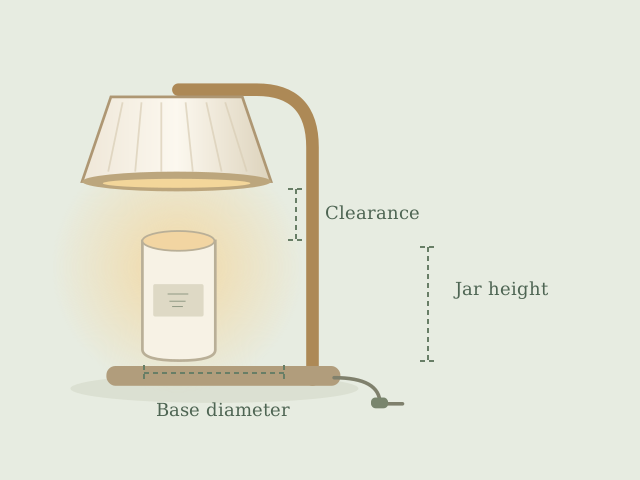
Measure the jar from its bottom to its highest fixed edge. Remove a lid only if the candle instructions permit lid removal for use. Measure the widest outside diameter, including any rim, handle or decorative feature that occupies space. Do not use the label's wax weight as a substitute for either measurement.
The jar's base may be narrower than its widest part. Record both if the shape changes significantly. The widest diameter affects entry and stem clearance; the bottom diameter affects how the candle sits on the usable platform. These are related checks, but they answer different questions.
Separate three kinds of clearance
Entry clearance
Can the candle enter and leave the lamp's opening without being tilted into the bulb, shade or stem? A jar that technically fits when placed under a disconnected shade may not be practical to use normally. Do not force it past a tight edge.
Operating clearance
What distance does the lamp maker require between the candle and heat source? Use the exact reference point in the instructions: some specifications describe a gap to the bulb, others refer to a shade or maximum jar height. If the reference is unclear, ask before operating.
Room clearance
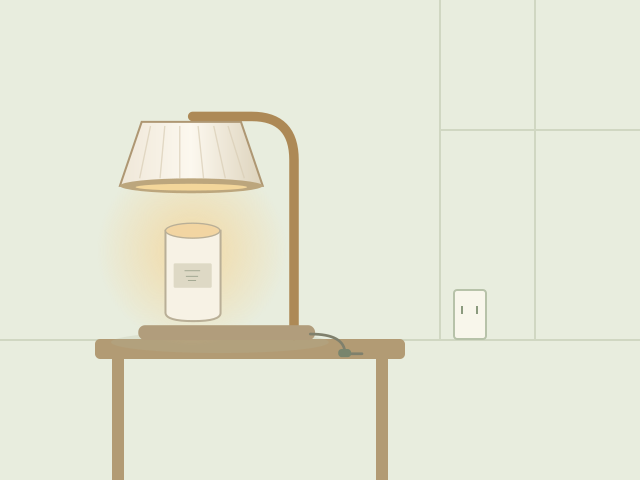
How much space must surround the whole appliance? Cabinet undersides, shelves, curtains and wall decorations can restrict placement even when the jar fits. A lamp's candle capacity does not establish permission to operate it in a close-fitting cubby.
Use a measurement worksheet
| Item | Your measurement | Compare against |
|---|---|---|
| Widest jar diameter | Include fixed protrusions | Opening, stem clearance and candle capacity |
| Jar base diameter | Measure the support area | Usable candle platform |
| Wax surface level | Note distance below the rim | Approved heating geometry, if specified |
| Table space | Record clear width and depth | Whole base footprint plus required surrounding space |
| Adjustment range | Obtain the documented range | Approved settings for your jar |
Keep the worksheet for each candle you intend to use. The tallest candle may not be the widest one. If a lamp works for one, that does not establish fit for your entire collection.
Understand the geometry without inventing a safe gap
As a hypothetical example, suppose a seller documents 7 inches from the platform to a particular shade reference point and your jar is 5 inches high. The difference is 2 inches to that reference point. This calculation does not tell you the bulb-to-wax distance, because the bulb position and the wax level are still unknown.
It also does not establish that 2 inches is a suitable operating gap. The numbers are a measuring example, not product specifications or safety recommendations. Use the manufacturer's required geometry rather than a universal distance from a buying guide.
As the wax level gets lower, the distance from the bulb to the wax can increase even though the jar still fits perfectly. Adjustable height may help when the instructions allow it, but lowering the lamp must never cause the shade or bulb to contact the jar.
Read product listings critically
An overall lamp height can include the base and decorative structure. A base diameter can describe the entire base rather than the flat area that holds the candle. A phrase such as “fits large candles” does not specify either dimension.
Look for a labeled diagram, manual or written compatibility statement. Photos taken at an angle can make openings seem larger. Even photographs beside everyday objects cannot reliably establish the gap you need. If the seller supplies only wax weights, request dimensional information.
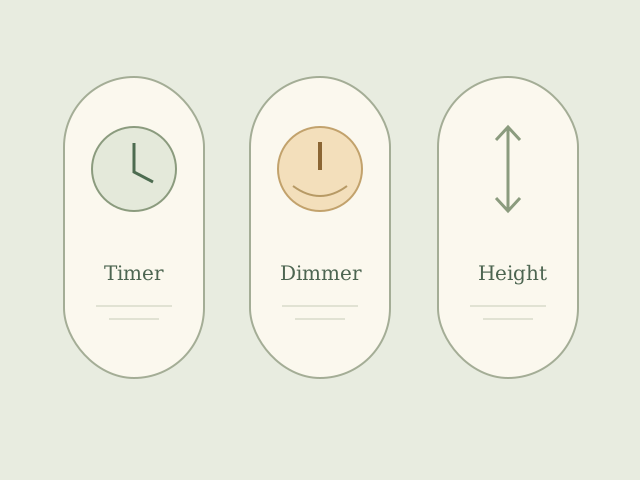
Do not treat adjustable height as unlimited height. Check the lowest and highest permitted positions, how the adjustment locks and whether the lamp stays stable throughout that range. Read our controls and height guide before deciding what the mechanism adds.
Check the actual setup when it arrives
With the lamp unplugged and everything cool, place the permitted jar on the intended support area. Confirm that it sits fully and evenly, does not contact the stem and can be removed without bumping the shade. Inspect the glass and the appliance for shipping damage before use.
Compare the real measurements to the documentation. If they do not agree, stop and contact the seller. Do not compensate with coasters stacked beneath the jar, remove feet from the lamp or bend its stem. A return is preferable to modifying the heating arrangement.
Questions to send the seller
- What is the maximum jar height at each approved adjustment position?
- What is the widest supported jar diameter?
- How large is the flat candle platform?
- Where is the clearance measurement taken from?
- What operating gap does the manual require?
- Is my jar material and design suitable for this lamp?
You may need to ask the candle manufacturer the last question as well. The lamp maker can describe the appliance, while the candle maker can clarify its container. When either answer remains uncertain, do not assume the combination is compatible.
A practical stopping rule
Proceed only when the jar sits securely, the opening allows normal handling and the documented operating clearances can be met. Fit is a collection of verified conditions, not a single label or subtraction. Recheck those conditions whenever you change candles or move the lamp.